Tracing Digital Currency Trails in Emerging Mobile Gaming Platforms
Written by Drew Hartmann · Aug 19, 2026
Tracing Digital Currency Trails in Emerging Mobile Gaming Platforms
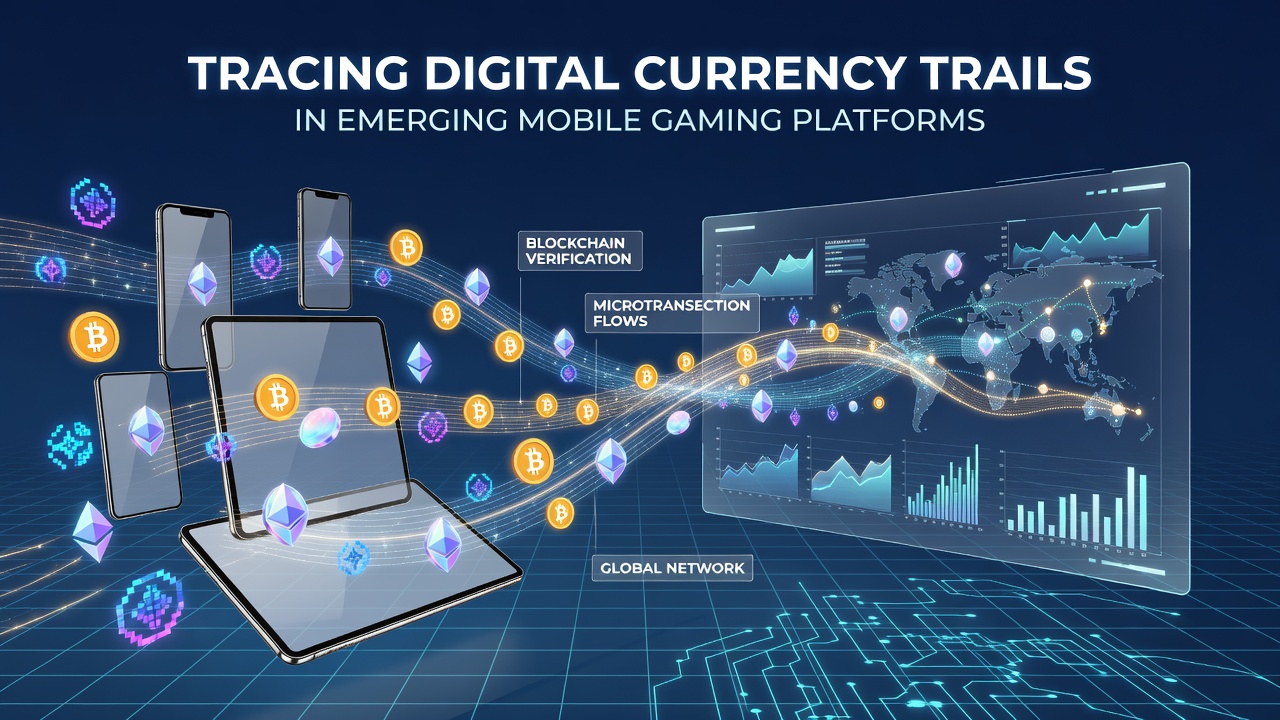
Emerging mobile gaming platforms have integrated digital currencies at an accelerating pace since the early 2020s, and observers note that transaction volumes in these environments reached notable levels by August 2026 according to industry data aggregators. These platforms often embed cryptocurrencies or tokenized assets directly into gameplay mechanics, which creates persistent digital trails that analysts can follow through public ledgers and proprietary systems alike. Researchers at several academic institutions have documented how in-game economies built on blockchain protocols generate timestamped records of asset transfers, player-to-player exchanges, and reward distributions that extend beyond traditional payment gateways.
Integration Patterns in Mobile Ecosystems
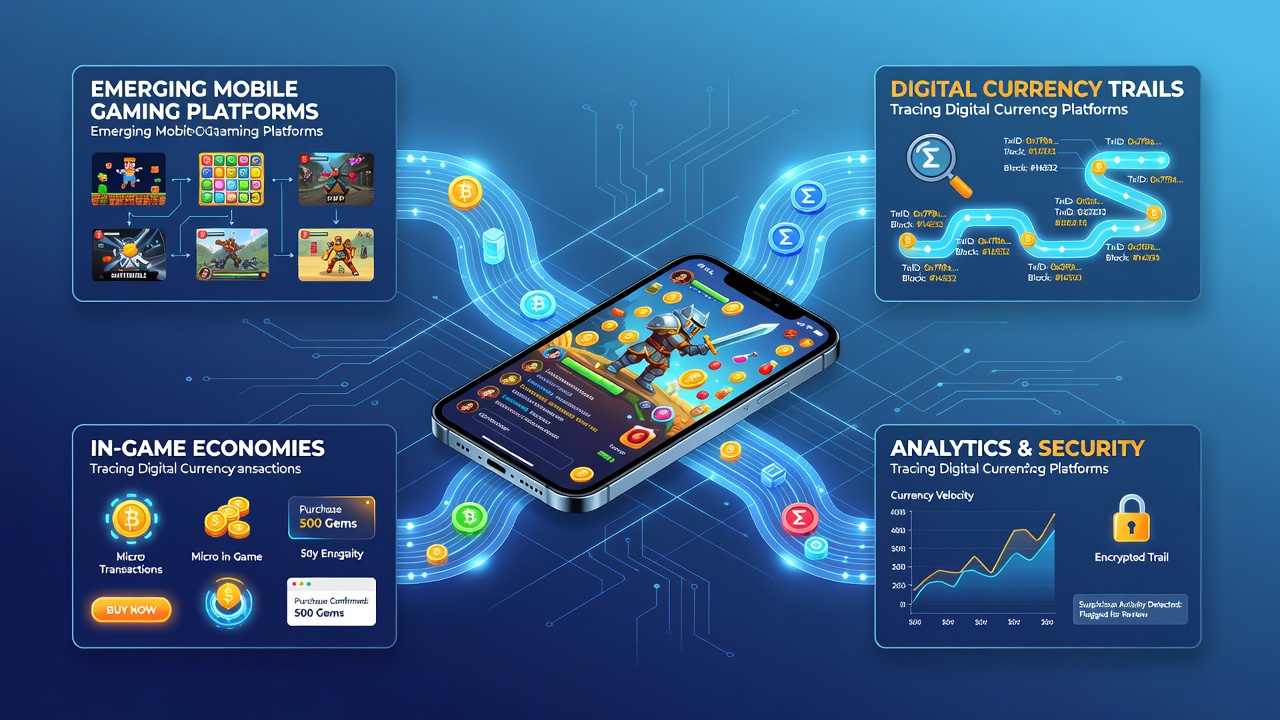
Mobile games that adopt digital currencies typically route transactions through wallet connections embedded in app interfaces, while developers link these flows to centralized servers for inventory management. Data from multiple platform audits shows that many titles use hybrid models combining off-chain processing for speed with periodic on-chain settlements for ownership verification. Analysts track these patterns by examining API logs and smart contract events that record minting events, transfers, and burns of in-game tokens.
One study released by a European research consortium highlighted how certain games synchronize player actions with distributed ledger entries every few minutes during peak hours, which produces dense clusters of traceable activity. Such synchronization allows forensic tools to map player behaviors across sessions without requiring direct access to personal identifiers in every case. Those who study these systems observe that wallet addresses frequently appear in repeated clusters when players consolidate rewards or move assets between multiple titles developed by the same studio.
Technical Methods for Trail Analysis
Specialized blockchain analytics platforms apply clustering algorithms and heuristic matching to connect seemingly unrelated addresses that belong to the same gaming ecosystem. These tools examine transaction graphs for common spending patterns, timing correlations, and reuse of change addresses that emerge during high-frequency microtransactions common in mobile titles. Government agencies in several jurisdictions have adopted similar techniques when reviewing compliance reports submitted by game publishers operating across borders.
Figures released by the Australian Transaction Reports and Analysis Centre indicate that digital asset movements tied to entertainment applications grew steadily through mid-2026, prompting expanded monitoring of specific token standards used in mobile environments. Analysts combine on-chain data with off-chain metadata such as device fingerprints and session timestamps to build more complete pictures of fund flows. This layered approach proves especially useful when games implement privacy features that obscure direct wallet linkages.
Regulatory and Compliance Developments
Regulatory bodies across regions have issued guidance requiring certain gaming operators to implement know-your-customer procedures when digital currency thresholds are exceeded. The Financial Crimes Enforcement Network in the United States published updated expectations in 2025 that addressed how mobile platforms should report suspicious activity involving convertible virtual currencies. Similar frameworks in Canada emphasize record-keeping for platforms that facilitate cross-border asset movements between player accounts.
Industry associations representing game developers have collaborated with academic groups to produce standardized reporting templates that capture transaction metadata without exposing full player histories. These templates focus on aggregate volumes, geographic distribution of activity, and frequency of high-value transfers. Observers note that compliance teams now routinely cross-reference internal game logs against public blockchain explorers to identify discrepancies that may require further investigation.
Challenges in Complex Environments
Privacy-enhancing technologies adopted by some platforms create additional layers that complicate straightforward tracing efforts. Mixers, ring signatures, and zero-knowledge proofs appear in select titles, which forces analysts to rely more heavily on behavioral indicators and timing analysis rather than address clustering alone. Researchers continue to refine machine learning models that detect anomalous patterns within these obfuscated flows, drawing on datasets compiled from multiple gaming networks.
Cross-platform asset portability introduces further complexity because tokens earned in one game may migrate to external marketplaces or other titles, breaking simple linear trails. Data indicates that a significant portion of such migrations occur during promotional events or seasonal updates, which generates predictable spikes in activity that monitoring systems can flag for review. Those responsible for oversight therefore maintain updated mappings of token bridges and interoperability protocols used across the mobile sector.
Conclusion
Tracing digital currency trails within emerging mobile gaming platforms relies on the combination of on-chain visibility, off-chain metadata, and coordinated regulatory reporting. As transaction volumes and technical complexity continue to evolve through 2026 and beyond, stakeholders across government, industry, and research communities maintain active development of analytical methods suited to these environments. The resulting frameworks support both operational transparency and compliance objectives without restricting innovation in game design.