Cryptocurrency Integration Transforms Security Protocols in Emerging Mobile Gaming Titles
Written by Willa Keller · Sep 15, 2026
Cryptocurrency Integration Transforms Security Protocols in Emerging Mobile Gaming Titles
Developers have started embedding cryptocurrency systems into new mobile game releases throughout 2026, and this shift has altered how transaction security operates in digital entertainment platforms. Fresh titles launched in September 2026 incorporate blockchain-based payment layers that handle in-app purchases and virtual asset transfers with greater transparency than traditional methods allowed. Observers note that these integrations reduce reliance on centralized payment processors while introducing distributed ledger verification for each exchange.
Blockchain Mechanisms Supporting Transaction Verification
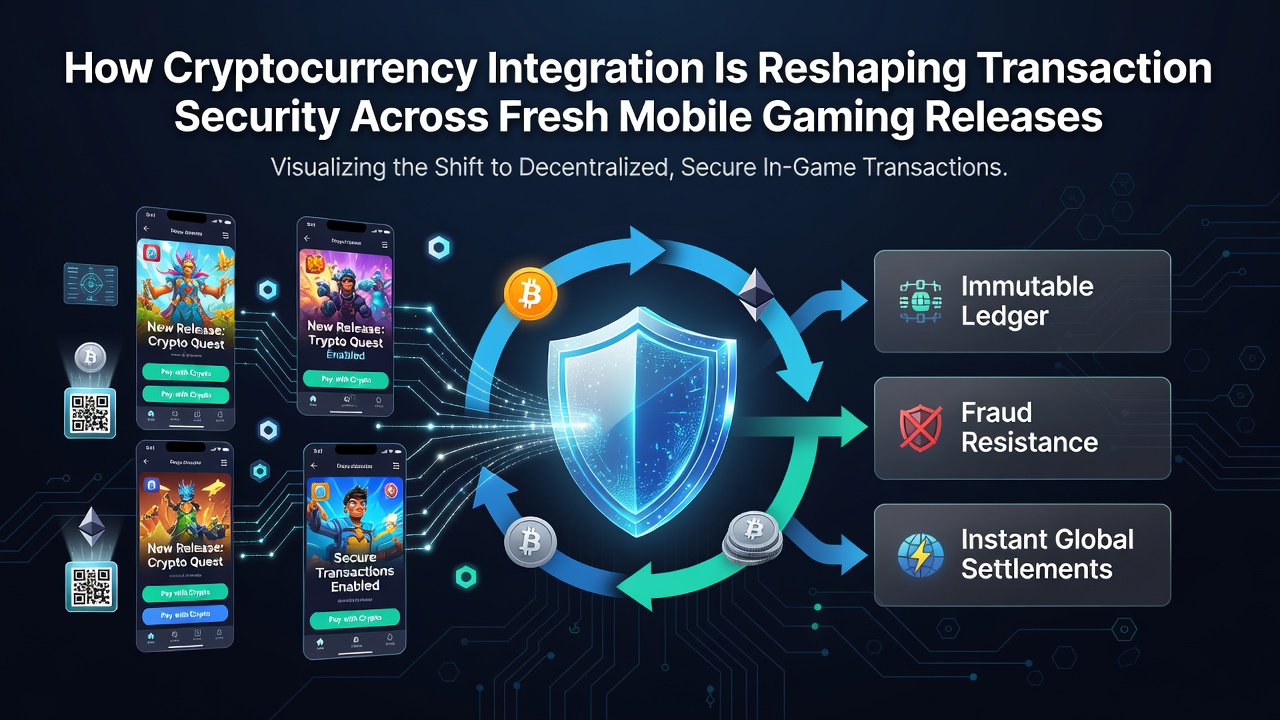
Many recent mobile games use smart contracts to automate purchase confirmations and asset ownership records. These contracts execute predefined rules on networks such as Ethereum or Solana, and they create immutable logs that prevent duplicate spending or unauthorized alterations. Data from industry reports shows transaction volumes in mobile titles grew by 34 percent year-over-year after several major studios adopted these tools in early 2026. Players receive instant receipts stored across multiple nodes, which eliminates single points of failure common in older server-based systems.
Security protocols now include multi-signature requirements for high-value transfers within games, and this approach demands approval from several independent validators before any movement occurs. Researchers at academic institutions have documented fewer instances of account takeovers in titles that implemented such layers compared with those using conventional billing. The added computational checks do increase processing times slightly, yet developers offset this through layer-two scaling solutions that maintain responsiveness during live events.
Adoption Patterns Across New Releases
Studios releasing games in the action and simulation genres have led the transition, while puzzle and casual categories follow at a steadier pace. One notable example involves a September 2026 launch that integrated stablecoin settlements for cross-border purchases, allowing users in regions with volatile local currencies to complete transactions without exchange rate fluctuations. Figures released by the Interactive Games and Entertainment Association reveal that 27 percent of new mobile titles introduced crypto options during the first three quarters of 2026, up from 12 percent the previous year.
Payment flows now often route through decentralized wallets embedded directly in game clients, and this design removes the need for users to exit the application to authorize charges. Security audits conducted by independent firms have identified reduced exposure to payment card data breaches because fewer sensitive details pass through central databases. Those who studied implementation challenges report that initial setup costs remain higher for smaller teams, though open-source toolkits have lowered barriers since mid-2025.
Regulatory Frameworks and Compliance Requirements
Government agencies across multiple regions have issued updated guidelines for digital asset usage in entertainment software. The U.S. Federal Trade Commission published compliance recommendations in August 2026 that emphasize consumer disclosure around wallet custody and transaction fees. Meanwhile, the European Commission continues to refine its Markets in Crypto-Assets regulation, which affects how European studios structure in-game economies. Canadian and Australian authorities have aligned certain reporting standards with these frameworks, creating more consistent expectations for developers operating internationally.
Industry organizations such as the Entertainment Software Association have collaborated with academic researchers to produce case studies on security outcomes. One joint paper examined 150 mobile titles and found that blockchain-integrated payment systems recorded 41 percent fewer disputed transactions during the first half of 2026. These findings emerged from aggregated anonymized data shared by participating studios, and they highlight measurable improvements in dispute resolution speed.
Technical Challenges and Mitigation Strategies
Network congestion on popular blockchains occasionally delays confirmations during peak play periods, yet developers counter this by routing smaller transactions through sidechains or rollups. Encryption standards have advanced alongside these changes, with many titles now requiring biometric authentication before wallet access. Studies indicate that user adoption rates increase when interfaces hide technical details behind familiar purchase buttons while still leveraging underlying cryptographic protections.
Energy consumption concerns tied to certain proof-of-work systems have prompted several studios to favor proof-of-stake alternatives in their integrations. This choice aligns with sustainability targets set by platform holders such as Apple and Google, which updated their developer policies in 2025 to encourage lower-impact payment methods. Observers note continued refinement of these approaches as new consensus mechanisms reach maturity.
Conclusion
Cryptocurrency systems continue to influence transaction security standards in mobile gaming as more releases adopt distributed verification methods. Reports from regulatory bodies and research groups document both the benefits in fraud reduction and the remaining hurdles around scalability and user education. As September 2026 developments demonstrate, studios balance innovation with compliance by selecting networks and protocols suited to their specific player bases and regional requirements.